

Modern utility networks are closely interconnected, making them vulnerable to complex risks and far-reaching cascading effects. Using mathematical modeling, simulation, and AI, the RESIS research department develops methods to identify systemic risks at an early stage, evaluate potential courses of action in an informed manner, and design critical infrastructure to be resilient.
Modern societies depend heavily on capable and reliable supply and infrastructure systems. These systems are becoming increasingly complex: Energy, water, transportation, and communication networks are closely interconnected, increasingly digitalized, and dependent on a wide range of technical, social, and environmental factors. Therefore, climate change, extreme weather events, cyberattacks, technical failures, and geopolitical crises can affect not only individual components, but also propagate through existing dependencies to other systems and areas of supply. These cascading effects and combined stresses pose new challenges to the security, planning, operation, and development of critical infrastructure.
In this context, resilience of complex systems is becoming an important part of forward-looking security and risk management. The objective is not merely to make infrastructure robust against known disruptions. Rather, systems must be able to cope with uncertainty and novel hazards, adapt to changing conditions, and quickly restore functionality following disruptions. A particular challenge lies in incorporating resilience into the design of future systems from the outset rather than assessing risks and vulnerabilities after the fact. This requires a systemic understanding of dependencies, risks, and potential impacts, as well as new methods for evaluating different courses of action under conditions of high uncertainty.
The research department "Resilient and Smart Infrastructure Systems" (RESIS) addresses these challenges through an interdisciplinary approach to analyzing and designing resilient infrastructure. RESIS combines network theory, engineering sciences, and mathematics to develop new structures, concepts, and algorithms for energy, water, and other supply systems. The department focuses on integrated analytical frameworks for multi-hazard and impact analysis, considering different hazards, system dependencies, and impacts jointly. These frameworks enable the systematic investigation of complex interactions and cascading effects, as well as the assessment of their significance for the security and functionality of interconnected infrastructure systems.
Building on this foundation, the research department develops simulation-driven, AI-supported decision support systems (DSS) that enable the rapid, transparent evaluation of courses of action, even under conditions of high complexity and uncertainty. One challenge is identifying suitable protection and adaptation measures within mathematically high-dimensional decision spaces. Research has shown that these spaces may contain non-obvious solutions that are difficult to identify through manual analysis alone. AI-supported decision-making is not intended to replace expert or decision-maker decisions, but rather to identify analytically based, robust alternatives and support well-informed assessments of available options. Trade-off analyses are an important component of this approach because real-world crisis management, adaptation, and transformation processes often involve competing objectives related to protective effects, costs, benefits, and societal impacts. Thus, decision support becomes a tool for making transparent and robust decisions regarding preparedness, response, and adaptation, even under uncertain conditions.
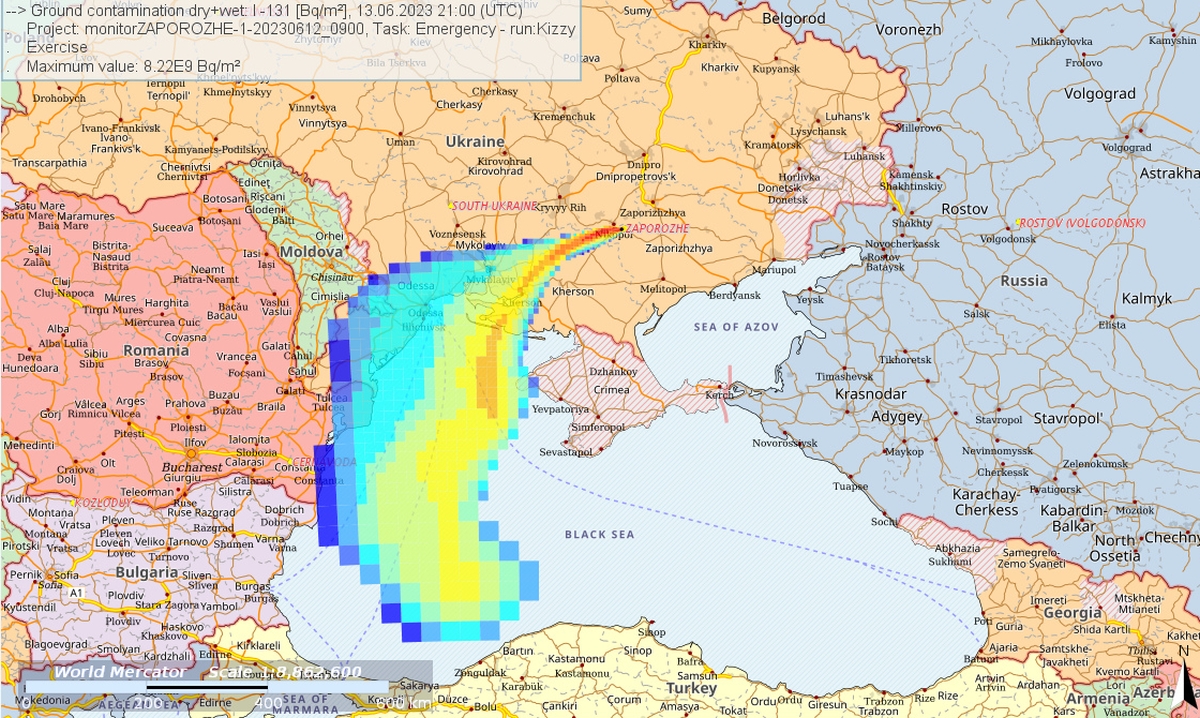
The methods developed by RESIS are being applied and tested in various fields. These include adaptation strategies in the context of climate change, preparedness and response, and security-relevant scenarios. One example is the further development of the radiological decision support system JRODOS for nuclear and radiological emergencies. Current research combines JRODOS with FRAMESS (Framework for Analyzing Systemic Risks and Exploring Sustainable Solutions), which was developed at KIT. While JRODOS provides established models for assessing radiological hazards, FRAMESS expands the analysis to include an integrated assessment of other hazard classes (natural or man-made), systemic dependencies, impacts, and potential response strategies. This allows for the investigation of various crisis scenarios within a shared systemic framework, ranging from the effects of disasters and extreme events on critical infrastructure to security-related scenarios. One current application is analyzing potential war-related damage to nuclear power plants, particularly in the context of the war in Ukraine (KIT, 2023). Linking radiological dispersion models (Fig. X) with analyses of infrastructure dependencies and potential cascading effects allows the approach to account for not only direct radiological impacts, but also potential consequences for interconnected supply and infrastructure systems.
Another area of application is the resilience of urban energy systems. Using microgrids as an example, the research group is investigating how decentralized structures could stabilize the energy supply following extreme events or cyberattacks (KIT, 2024). In addition to technical criteria, the research also considers spatial and socioeconomic factors. The findings demonstrate that the design of supply networks can influence the impact of disruptions and service outages on different population groups. Thus, resilience is understood not solely as a technical property, but as an outcome of the interaction between infrastructure, the environment, spatial factors, and society. Therefore, it is an essential component of a comprehensive approach to security and the provision of essential services.
The overarching goal of this research is to develop scientifically grounded methods to identify complex risks early, assess systemic impacts, and design resilient transformation processes. Combining network theory, mathematical modeling, simulation, and AI provides the foundation for new, robust, and practical forms of decision support. Thus, this research not only protects critical services for the population against known hazards but also strengthens their capacity to adapt to and respond to novel, compound, and difficult-to-predict threats.
References:
KIT (2023): Calculating for Cases of Emergency, KIT Highlight Topics, Karlsruhe Institute of Technology, Karlsruhe, Germany (available at: https://www.kit.edu/kit/english/calculating-for-cases-of-emergency-ukraine.php).
KIT (2024): Microgrids: Resilient City for Everyone, KIT Press Release 056/2024, Karlsruhe Institute of Technology, Karlsruhe, Germany (available at: https://www.kit.edu/kit/english/pi_2024_056_microgrids-resilient-city-for-everyone.php).
Ahmed, R.-B., Schichtel, T., Trybushnyi, D., Raskob, W., Ottenburger, S, S. (2026): Multi-model ensemble analysis of JRODOS atmospheric dispersion models for nuclear emergency planning. J. Environ. Radioact., 298, 108075, doi: 10.1016/j.jenvrad.2026.108075.
Kropp, C., Ley, A., Ottenburger, S. S., Ufer, U. (2021): Climate-neutral and intelligent cities in Europe. TATuP, 30, 10-55, doi: 10.14512/tatup.30.1.10.
Kropp, C., Ley, A., Ottenburger, S. S., Ufer, U. (2021): Making intelligent cities in Europe climate-neutral. TATuP, 30,11-16, doi: 10.14512/tatup.30.1.11.
Ottenburger, S.S., Möhrle, S., Müller, T.O., Raskob, W. (2022): A Novel MCDA-based methodology dealing with dynamics and ambiguities resulting from citizen participation in the context of the energy transition. Algorithms, 15, 47, doi:10.3390/a15020047.
Ottenburger, S. S., Ufer, U. (2023): Smart cities at risk: Systemic risk drivers in the blind spot of long-term governance. Risk Analysis, 43, 2158¬–2168, doi: 10.1111/risa.14102.
Ottenburger, S.S., Cox, R., Chowdhury, B.H., Trybushnyi, D., Al Omar, E., Kaloti, S. A, Ufer, U., Poganietz, W.R., Liu, W., Deines, E., Müller, T.O., Möhrle. S., Raskob, W. (2024): Sustainable urban transformations based on integrated microgrid designs. Nat Sustain., 7, 1067–1079, doi:10.1038/s41893-024-01395-7.
Ottenburger, S. S., Ufer, U. (2025): Long-term urban microgrid design: Socio-spatial resilience to promote energy democracy. TATuP, 34, 54-60, doi:10.14512/tatup.7206.
Ottenburger, S. S., Möhrle, S., Müller, T. O., Al Omar, E., Deines, E., Müller, A., Rouse, C., Heymann, M. (2026): Adaptive Resilience Assessment and AI-Based Decision Support for Evolving Complex Systems, Karlsruhe Institute of Technology, Karlsruhe, Germany, doi:10.5445/IR/1000196898.

Strategic cooperation between CEDIM member and SAP combines cutting-edge research on systemic resilience with industrial expertise.

In the project COCAP a flexible decision support system is developed, suggesting systemically optimal pandemic measures – tailored to country context and pathogen type.
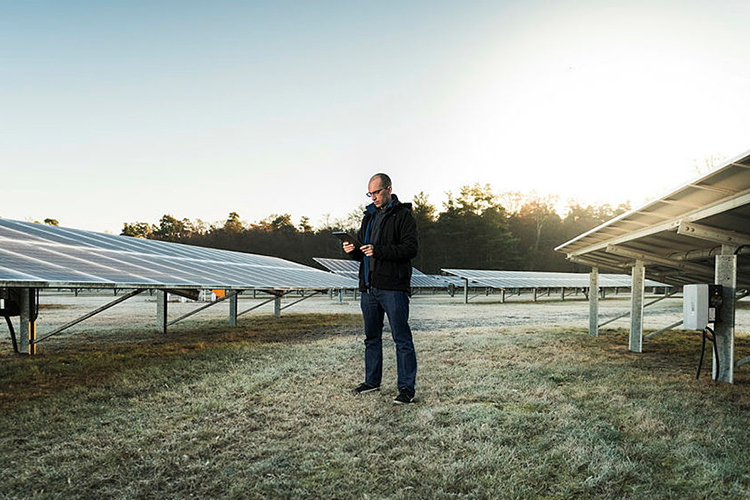
Decentralised networks, known as microgrids, are needed to restore power as quickly as possible after extreme weather events.
link (in German)
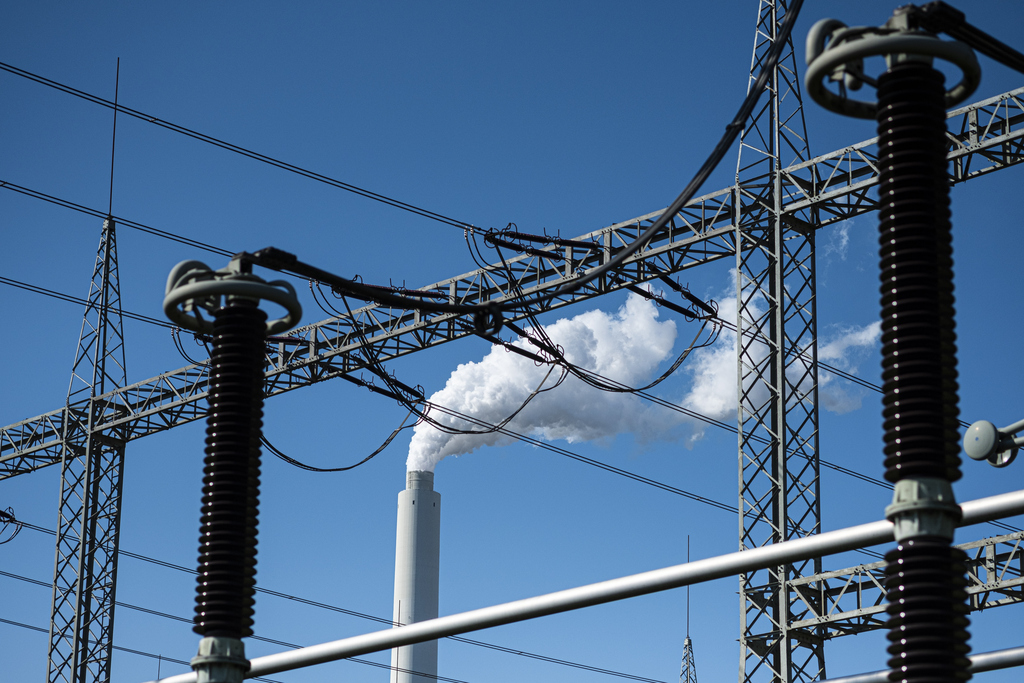
Development of a model for a spatial planning concept for microgrids.
link (in German)

CEDIM researchers have developed a model that takes into account the fair design of decentralized energy systems.
link (in German)

Based on AI-based correlation analyses and hydrological models, a first prototypical demonstrator for visualizing the relationship between dam deformation and various influencing factors has been implemented.
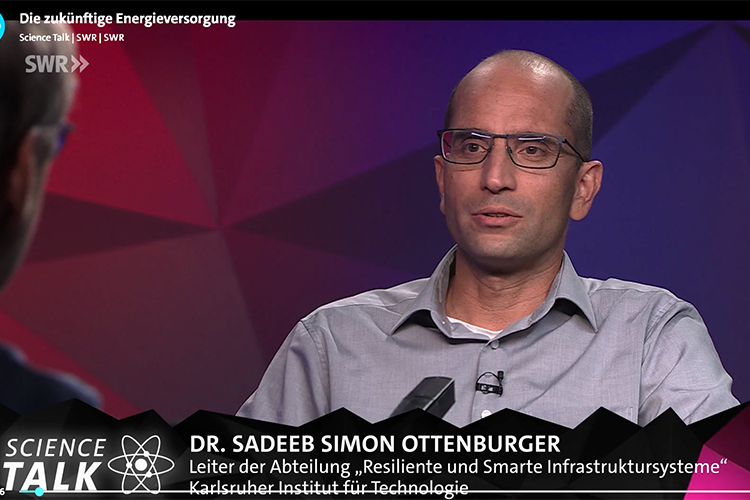
How can critical infrastructures be made sustainable and resilient? Dr. Sadeeb Ottenburger as a guest at the SWR Science Talk.
link (in German)

Researchers at CEDIM support the Ukrainian authorities on the subject of nuclear safety in the event of damage to one of the four nuclear power plants in the country.
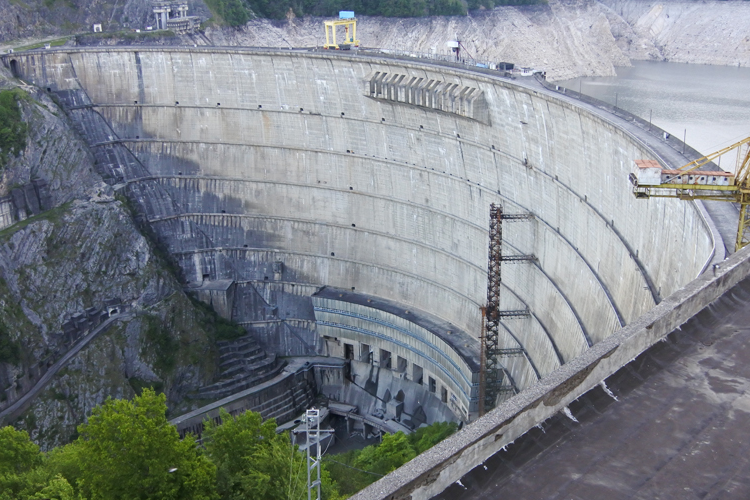
A nested deep neural network-based correlation analysis for risk-forecasting was developed as the core module of an early warning system.
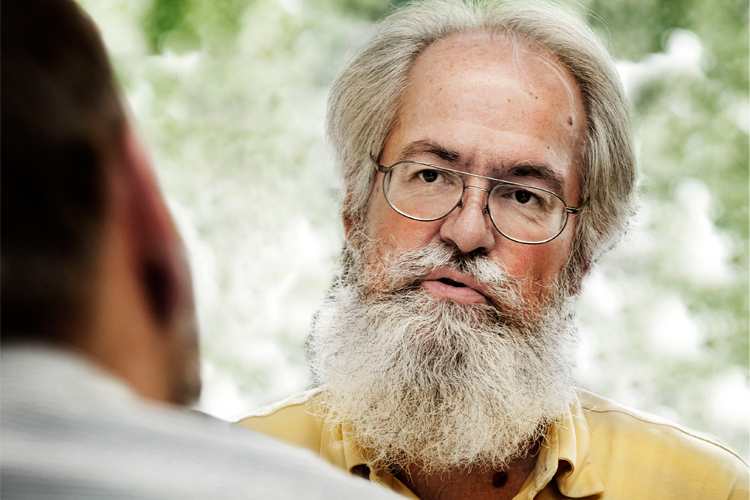
To prepare Ukraine for a nuclear catastrophe, researchers of CEDIM support with a prediction system. Wolfgang Raskob in an interview with SWR.
link (In German)
KIT experts on current issues
link (In German)
New in the portal "KIT Experts": Sadeeb Simon Ottenburger on the resilience of critical infrastructures.
link (In German)

Researchers from CEDIM and the working group "Resilient and Smart Infrastructure Systems (RESIS)" are developing concepts for planning and operating future-proof supply systems and are part of the team at Hannover Messe 2022.

About the reliability of technical systems in the age of digital change.
CEDIM staff in conversation with KIT.audio (In German).
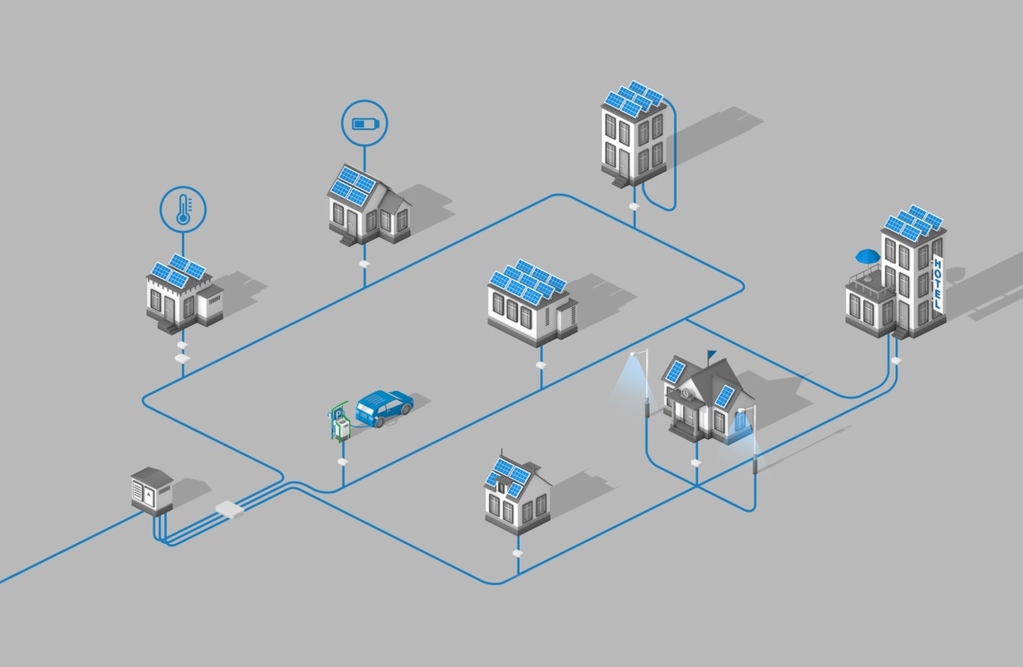
Critical infrastructures depend more and more on ICT infrastructures. Especially energy supply gets thereby prone to disorders. Researchers of CEDIM develop sustainable solutions.
press information of the KIT (in german)